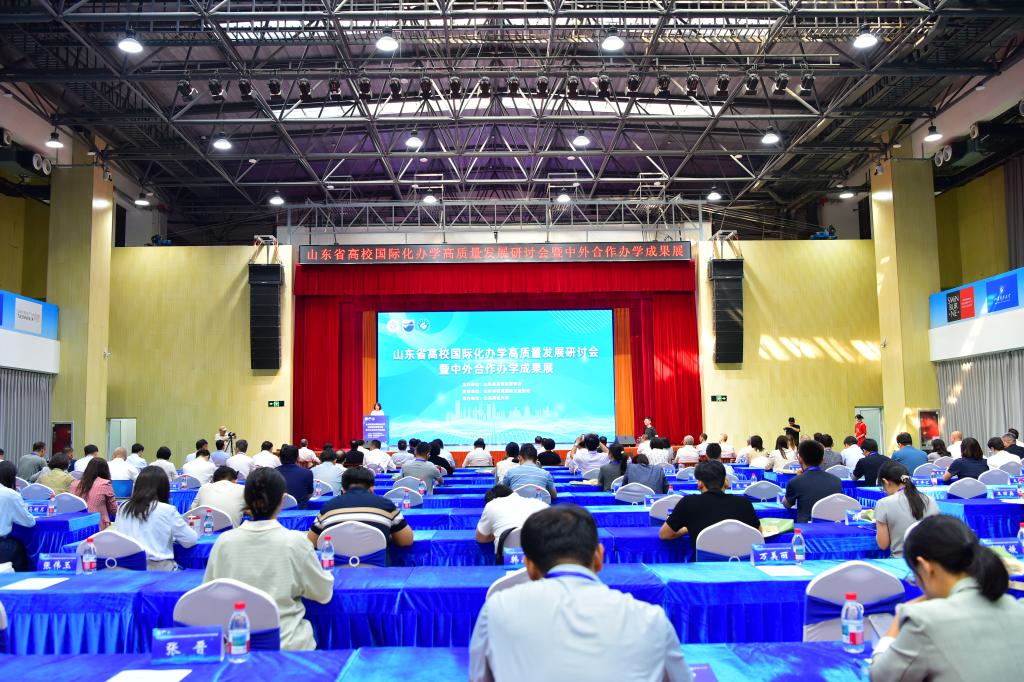
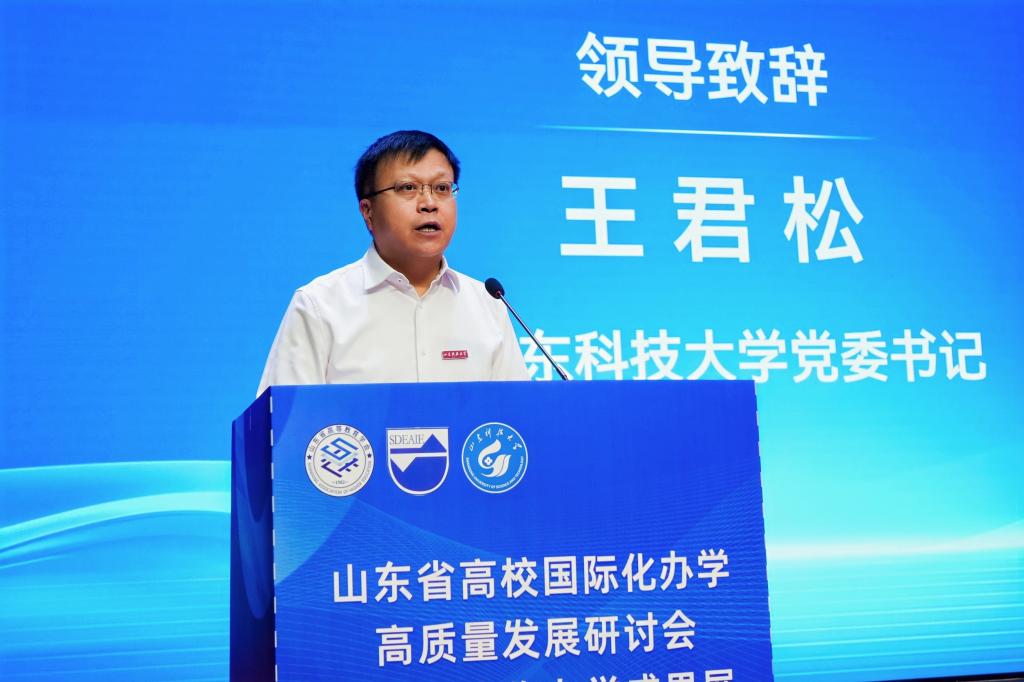
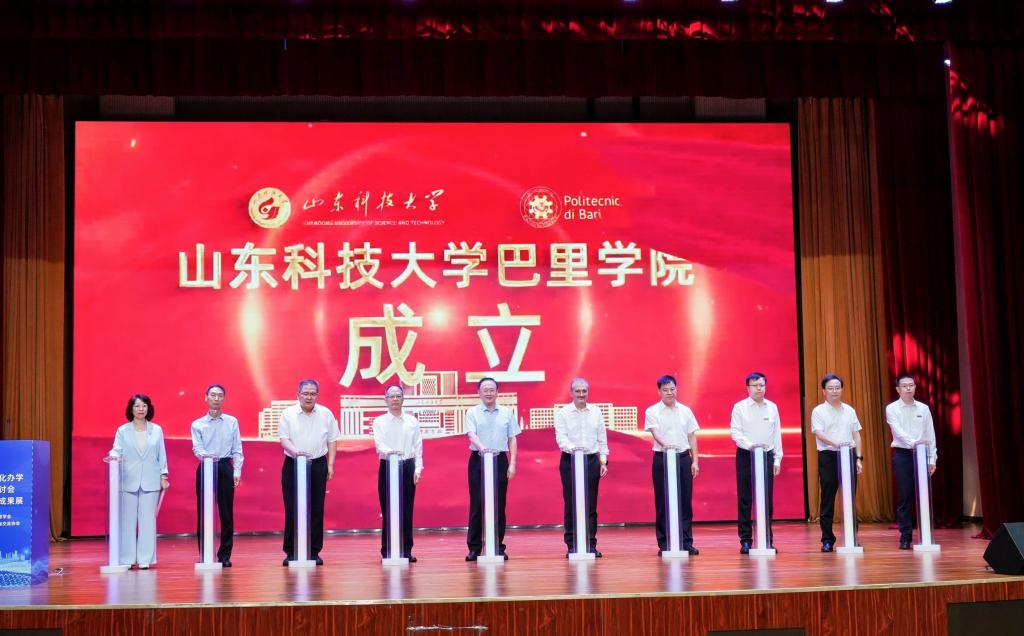
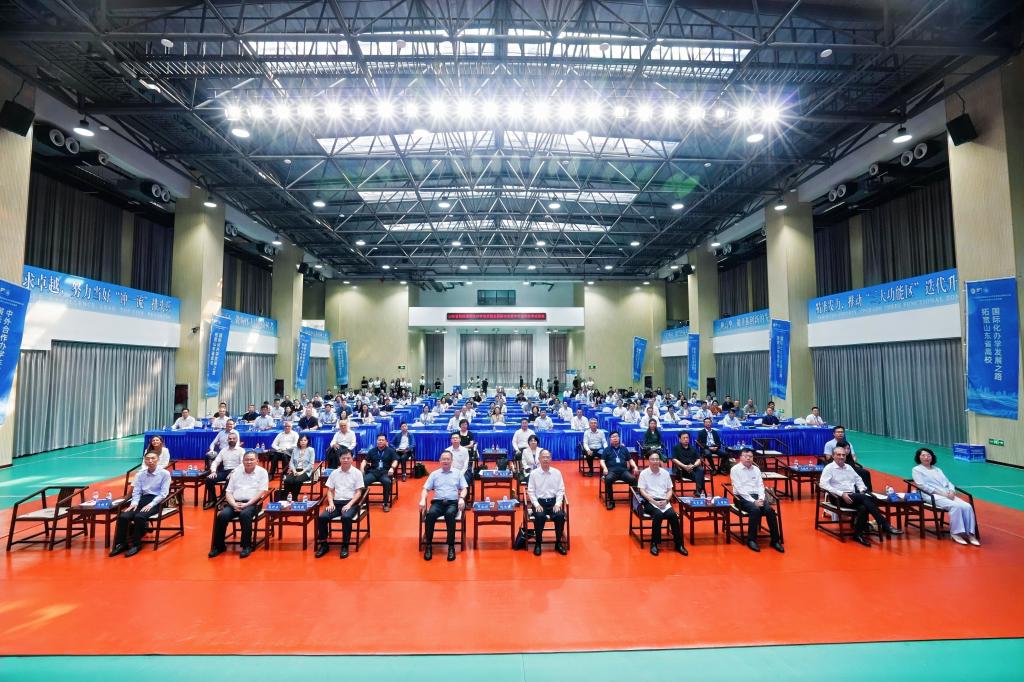
On September 16, the Shandong Seminar on High-Quality Development of International Education in Universities together with the Sino‑foreign Cooperative Education Achievements Exhibition, sponsored by Shandong Higher Education Society, guided by Shandong Association for Educational International Exchange and hosted by Shandong University of Science and Technology (SDUST), was successfully held at the Jinan Campus of SDUST. The event brought together representatives from universities across the country and industry experts. Centered on the high‑quality development of international education in higher education institutions, participants explored new pathways for international education under the new circumstances, and showcased the achievements of Sino‑foreign cooperative education of universities across Shandong Province. Wang Junsong, Secretary of the University Party Committee, and Zhu Jingyi, Member of the Standing Committee of the University Party Committee and Vice President, attended the conference and delivered addresses. The Launching Ceremony of the Bari College of SDUST was held concurrently during the conference.
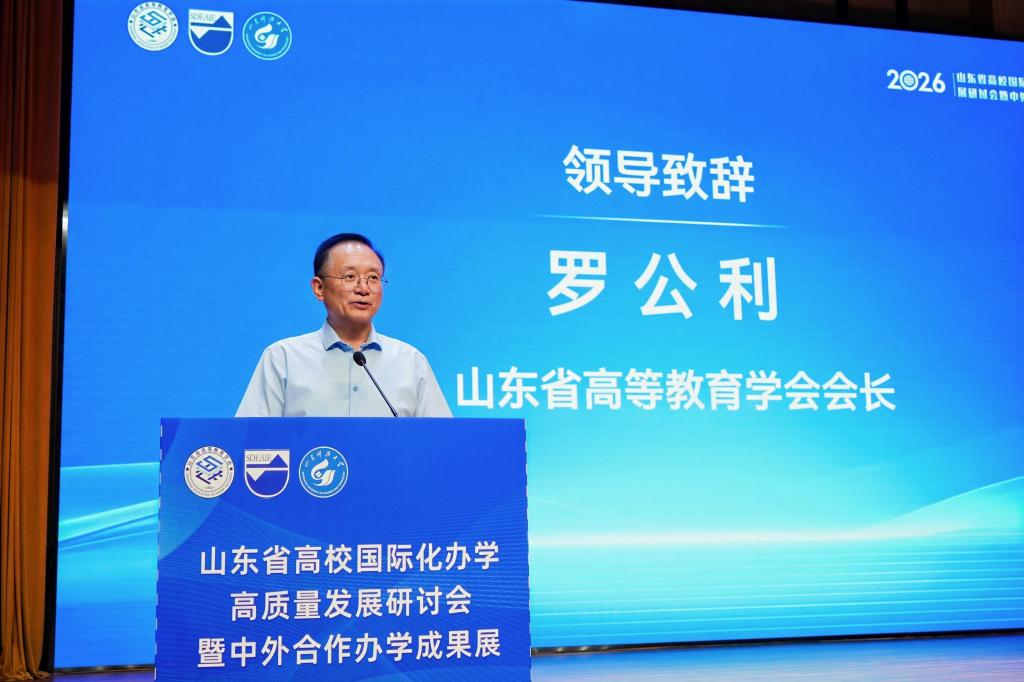
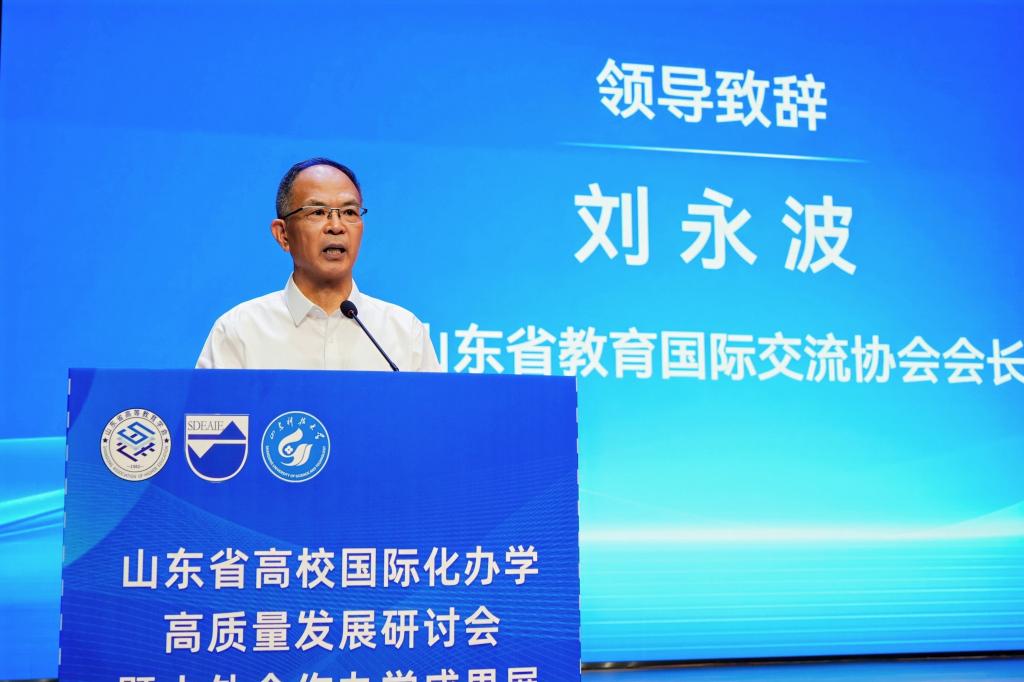
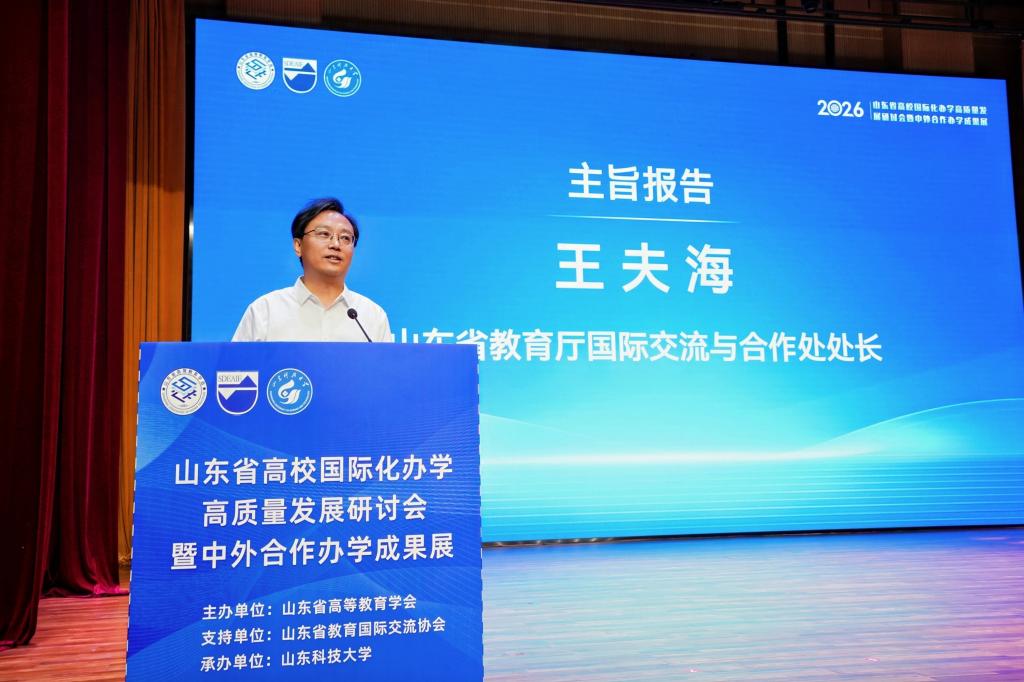
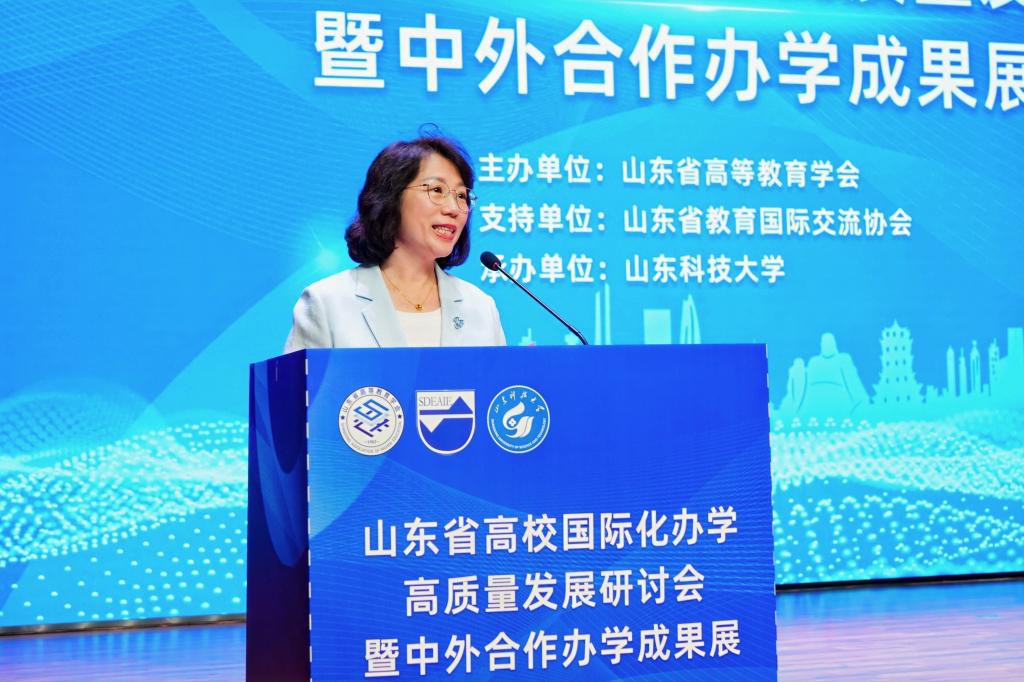
Luo Gongli, President of Shandong Higher Education Society, and Liu Yongbo, President of Shandong Association for Educational International Exchange, delivered speeches at the opening ceremony. Wang Fuhai, Director of the International Division of Shandong Provincial Department of Education, presented the keynote report. Also present were Yang Tongyi, Vice President of Shandong Higher Education Society; Wu Yantao, Supervisor-General of Shandong Higher Education Society; Ren Shujun, First-Class Researcher of Jinan Municipal Bureau of Education; and Vito Iacobellis, Vice Rector of Politecnico di Bari, Italy. The opening ceremony was presided over by Wang Xia, Secretary-General of Shandong Higher Education Society.
In his address, Wang Junsong introduced the fruitful results achieved by the university in thoroughly implementing the internationalization strategy, vigorously carrying out the “Programme for Quality Improvement of International Education”, innovatively building a talent cultivation model featuring “Integration of Chinese and Global Insights, Industry and Education, Science and Education”, and continuously polishing the educational brand of “Studying Abroad to Serve the Motherland”. He stated that the university would take this seminar as an important opportunity, learn advanced experience from peer universities, further improve its international education system, and work together with other universities in Shandong to explore an international development path for higher education with Shandong characteristics, contributing to the national strategy of opening-up in education and local economic and social development.
Luo Gongli pointed out in his speech that universities in Shandong have actively served the national opening-up agenda, and their international education has achieved a critical shift from scale expansion to connotation‑driven quality improvement, making positive contributions to local opening-up and economic and social development. Focusing on advancing the high-quality development of international education in Shandong’s universities, he elaborated on four dimensions: adhering to the fundamental task of fostering virtue through education, promoting connotation upgrading of Sino‑foreign cooperative education, coordinating the “bringing in” of educational resources and the “going global” of achievements and experience, and realizing distinctive development through university‑local government‑enterprise collaboration. He noted that Shandong Higher Education Society would give full play to its role as a bridge, actively build platforms for exchange and cooperation, and support the steady and sound development of international education at universities across the province.
Liu Yongbo remarked that universities in Shandong have yielded fruitful outcomes in introducing high‑quality overseas resources and innovating collaborative talent cultivation models. He said that Shandong Association for Educational International Exchange would continue to build high‑level exchange platforms and push the opening-up of education in Shandong to new heights.
During the conference, Wang Fuhai delivered the keynote report in line with the work arrangements of the Ministry of Education and the realities of Shandong Province, covering administrative supervision, policy implementation and practical advancement of Sino‑foreign cooperative education. He stressed that all universities should earnestly assume primary responsibilities, improve internal decision‑making mechanisms, rigorously verify the qualifications of foreign partners, strictly check the political orientation and quality of curricula and textbooks, standardize the whole‑process management of student recruitment, tuition collection and certificate issuance, and embed risk prevention and control for foreign-related work into every link of international exchanges. He encouraged universities to concentrate resources on optimizing existing platforms, digest, absorb and re‑innovate high‑quality overseas resources, integrate international elements into local talent cultivation systems, strengthen inter-university learning via this achievements exhibition, and summarize replicable Shandong practices.
Zhu Jingyi, Member of the Standing Committee of the University Party Committee and Vice President of SDUST; Fan Xiaoli, Dean of Queen Mary University of London Engineering School, Northwestern Polytechnical University; Wang Jianbo, Director of Shandong Research Center for Educational International Exchange and Cooperation; Zhang Shu, Deputy Director of the International Office, Nanjing University of Posts and Telecommunications; He Jingfei, Deputy Dean of the School of International Education, Hebei University of Technology; and Wu Anxin, Professor of the Law School, Shandong Jianzhu University, conducted in-depth discussions on topics including institutional mechanism building for international education, quality enhancement of Sino‑foreign cooperative education, international talent training, foreign-related risk prevention and control, and university‑local government‑enterprise collaborative education. They shared practical university cases, analyzed development challenges and built consensus.
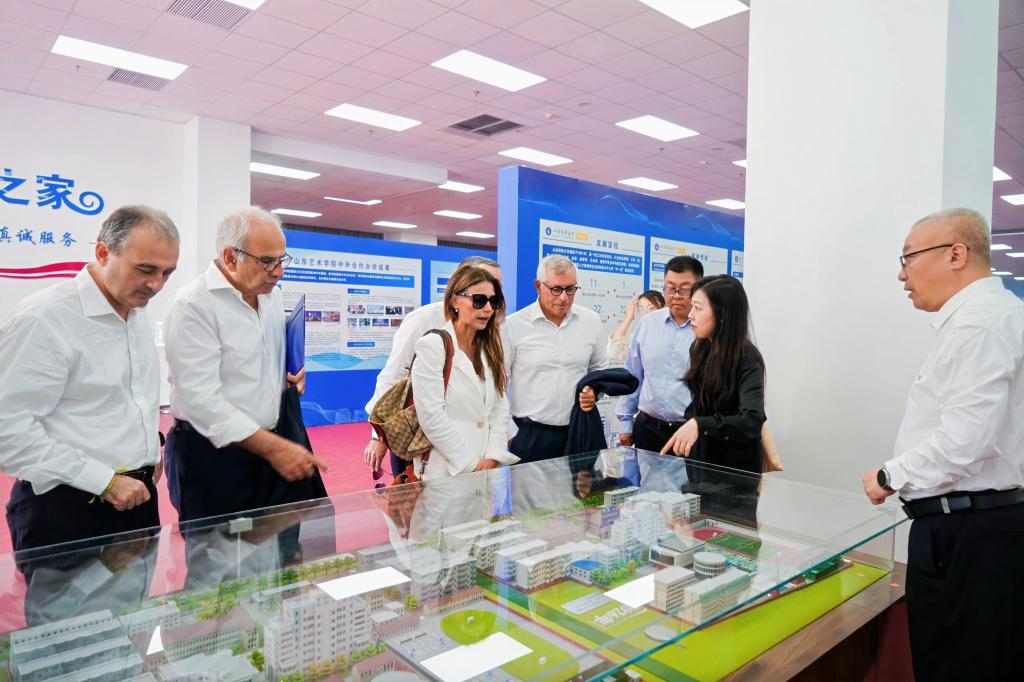
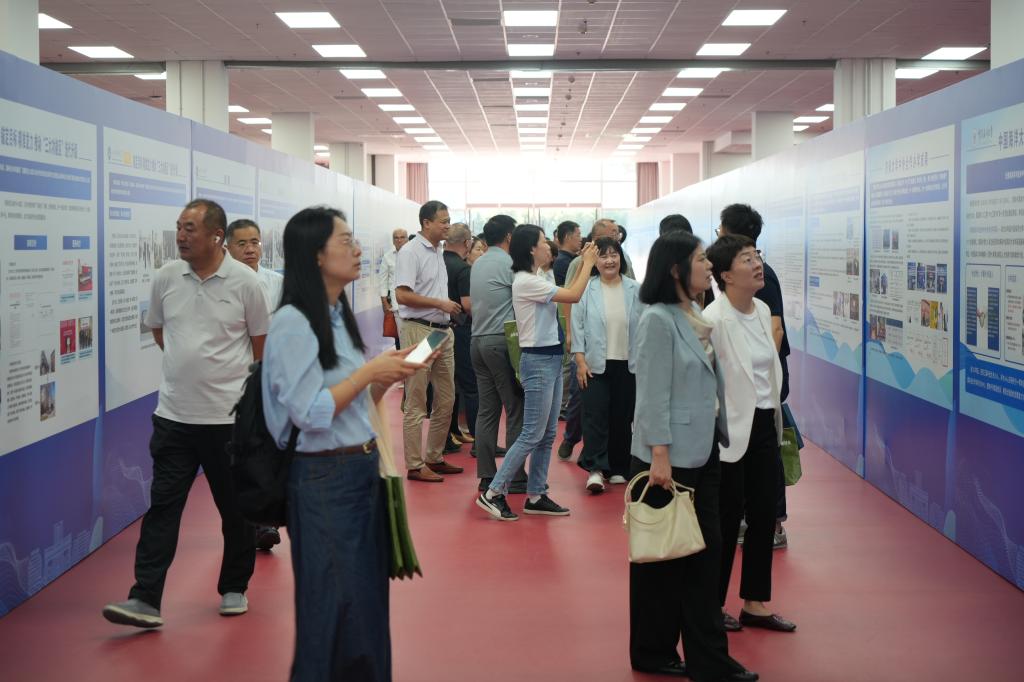
In parallel with the conference, 17 institutions including Shandong University, Ocean University of China, University of Jinan and Shandong University of Technology displayed their achievements in Sino‑foreign cooperative education. Attendees gained first-hand insights into the progress made by Shandong universities in cooperative institution establishment, joint curriculum development, reciprocal faculty appointment, collaborative scientific research and education for international students.
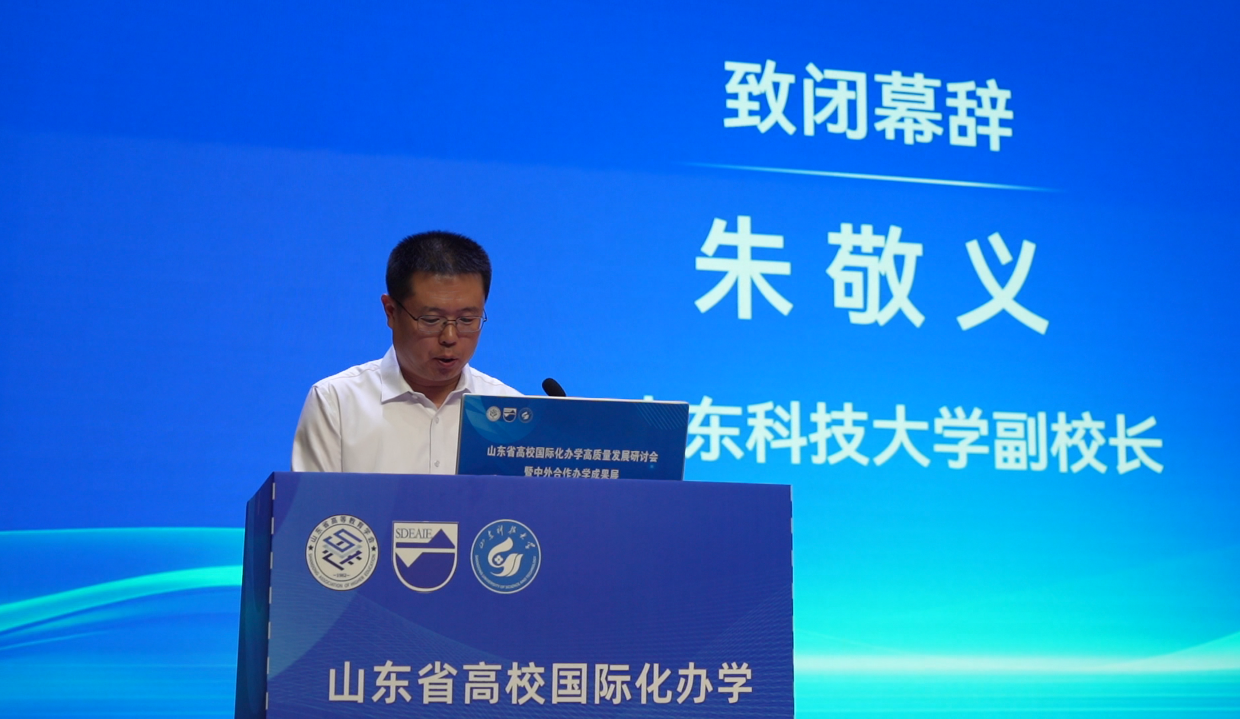
Zhu Jingyi delivered the closing remarks. He said that the conference pooled practical experience of international education from universities nationwide, further consolidated consensus, and opened a new chapter for higher education opening-up in Shandong by deepening Sino‑foreign collaborative education and innovating international cooperation models.
More than 170 participants attended the event, including university leaders in charge of teaching, academic affairs and international education from universities across Shandong, heads of Academic Affairs Offices and International Exchange Offices, persons-in-charge of Sino‑foreign cooperative institutions and programmes, as well as selected industry experts, scholars and enterprise representatives.

 Copyright©2020 SDUST(JN)


